

Remote Work Security: Why Every Team Needs a VPN
Remote work is a permanent change in how contemporary teams run, not only a trend. Although it offers flexibility and worldwide cooperation, it also presents fresh security issues, especially when staff members use private corporate resources from outside the office network.
Even on public or residential networks, a VPN guarantees private, safe access by building an encrypted tunnel between staff members and business assets.
PlanetVPN is a terrific option if you search for a dependable and free way to guard remote connections. Perfect for small companies and distant workers needing data security without further cost, it provides no-logs, fast VPN access with military-grade encryption.
We shall investigate in this paper why VPNs are essential for remote work security, how they interact with Zero Trust principles, and the best ways to apply them at scale.
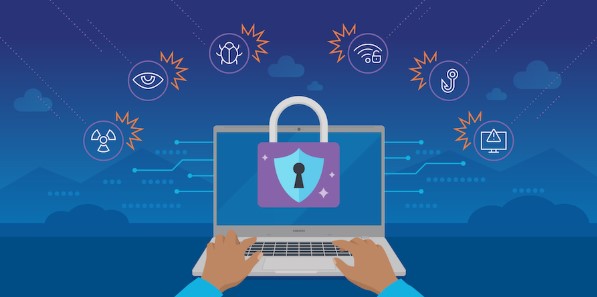
🔍 The Risks of Remote Work Without a VPN
1. Unsecured Networks
Remote employees often work from home, cafés, or co-working spaces. These networks are typically not secured to enterprise standards and are easy targets for attackers.
2. Exposure of Internal Systems
Without a VPN, users connect directly to internal tools (e.g., file servers, CRMs, dashboards), exposing these systems to the public internet — a major security risk.
3. Compliance Violations
For companies operating under data protection laws like GDPR, HIPAA, or SOC 2, unencrypted remote connections can lead to serious regulatory penalties.
4. Increased Surface Area for Attacks
Remote work expands the “attack surface” — increasing the number of devices, locations, and potential entry points for hackers.
How VPNs Secure Remote Workforces
VPNs solve these problems by providing a secure, encrypted connection to internal systems. Here’s how:
1. Encrypted Communications
VPNs use protocols like OpenVPN, IKEv2, or WireGuard to encrypt all data between the user’s device and the company network, protecting it from snooping or interception.
2. Access Control & Authentication
VPNs can be configured to only allow approved users and devices to connect. Combined with multi-factor authentication (MFA), this ensures that only trusted employees access internal resources.
3. IP Whitelisting and Geo-Fencing
Admins can restrict access to internal tools by allowing only VPN-assigned IP addresses, creating a digital perimeter around sensitive systems.
4. Secure Tunneling to Cloud Services
Even cloud-hosted apps like Google Workspace or AWS can be routed through a VPN, adding a second layer of protection against account hijacking or DNS poisoning.
VPN and the Zero Trust Model
Zero Trust is a modern security framework built on the principle: “Never trust, always verify.” VPNs play a key role in implementing this model, especially when combined with:
- Device verification
- User behavior monitoring
- Granular access control policies
In a Zero Trust environment, VPNs help enforce rules like:
- Only verified devices in approved locations can access HR systems.
- Only finance team members can reach accounting tools.
- Time-restricted access to specific databases.
This segmented and context-aware approach greatly reduces lateral movement within networks and limits the impact of a potential breach.
Real-World Use Case: VPN for a Distributed Sales Team
A tech startup with sales reps in 7 countries needs to give them secure access to their CRM and proposal tools. By setting up a company-wide VPN:
- Reps log in from any location via a secure app.
- CRM access is only available through the VPN.
- Admins can revoke access instantly if a device is lost.
Result: streamlined remote operations without compromising security.
Best Practices for Implementing VPN in Remote Teams
1. Choose a Business-Grade VPN Solution
Look for features like:
- AES-256 encryption
- Kill switch
- Dedicated IPs
- Multi-device support
- Centralized admin console
2. Use MFA and Strong Password Policies
Passwords alone are not enough. Add an extra layer with tools like Google Authenticator, Duo, or hardware tokens.
3. Educate Your Employees
Train your team on how and when to use the VPN — and why it's important. Automate reminders and log alerts to reduce user error.
4. Monitor VPN Usage
Use analytics and access logs to detect anomalies, such as:
- Logins from unusual locations
- Sudden spikes in data usage
- Access outside work hours
5. Integrate with IAM and Zero Trust Platforms
Modern VPNs can be integrated with Identity & Access Management (IAM) platforms like Okta, Microsoft Entra, or Google Workspace for tighter security.
Common Mistakes to Avoid
- Relying on free VPNs: These are not built for enterprise use and may log or sell your data.
- Ignoring device-level security: A VPN won’t protect you from malware on an infected device.
- Not updating VPN software: Outdated clients can be vulnerable to exploits.
The Bottom Line: VPNs Are Clearly Business Critical
Remote work is here to stay and along with it, people and systems will need encrypted, safe communication. Nowadays, a VPN is a basic part of every company's cybersecurity plan; it is neither a luxury or a niche IT tool. VPNs enable teams to work from anywhere without endangering the company by encrypting communications, imposing access control, and supporting a Zero Trust architecture. FAQ: VPNs for Remote Teams
Can a VPN slow down remote access?
Yes, but premium VPNs offer minimal latency. For high-speed access, consider VPNs with servers in multiple regions.
Is it legal to require employees to use a VPN?
Yes — it’s standard practice in many industries. Employers often provide managed VPN clients or apps.
Can VPNs be used with cloud tools like Google Drive or Dropbox?
Yes, especially when companies want to monitor or restrict access based on corporate VPN IPs.