

The Dopamine Highway: Why Chicken Road is the Ultimate Psychological Hook
Understanding the Player's Brain: The Science Behind the 'Just One More Round' Impulse
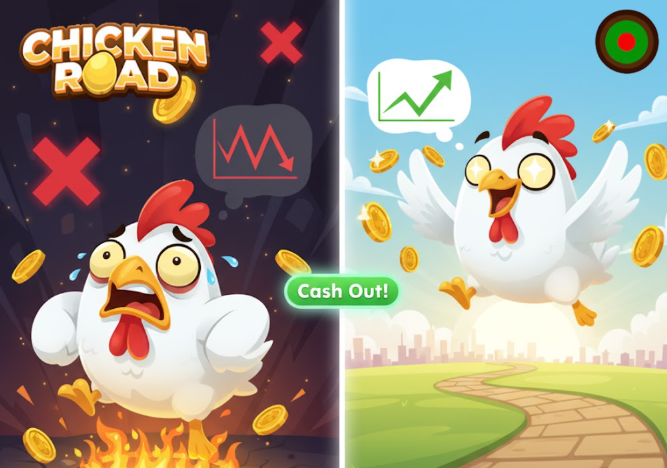
Let's talk about the secret weapon of Chicken Road. It's not the cute chicken, nor the vibrant graphics; it’s the way the game is expertly engineered to tap directly into your brain's reward system. We've all been there: you tell yourself, "Just one more quick round," and suddenly an hour has vanished. This isn't a lack of willpower; it’s a brilliant piece of psychological design at work. The game masters the art of the 'risk-reward loop'—that thrilling, stomach-dropping moment where you have to decide between a guaranteed small profit or risking it all for the big prize. This constant, high-stakes decision-making is pure adrenaline. Before we dive into the psychology, if you're looking for where this all begins, the official gateway is right here https://chickenroad-bangladesh.com/. Now, let’s peel back the curtain and look at the real reasons why this game is so incredibly sticky.
The Power of Intermittent Reinforcement
This is the core of the addiction. If you won every time, the game would quickly become boring. If you lost every time, you'd quit immediately. Chicken Road, like a master manipulator, uses a variable ratio schedule of reinforcement. You win just often enough to keep the hope alive, but not so often that the wins feel predictable. This psychological phenomenon is far more powerful than a guaranteed reward.
- Uncertainty is Key: Not knowing when the next win will come keeps your brain in a state of high alert, eagerly anticipating the dopamine release.
- The Near-Miss Effect: Seeing the chicken get to 5x or 7x before hitting a trap makes you feel like you were "so close." Your brain registers this as almost a win, which compels you to try again immediately.
The Illusion of Control
In most crash games, you just watch a line go up. Chicken Road subtly changes the dynamic by making you, the player, actively guide the chicken and click the 'Cash Out' button. Even though the trap placement is random (thanks to the Random Number Generator), the ability to personally choose when to stop gives you an intense psychological feeling of control. You believe you outsmarted the road, not that you simply got lucky.
Warning Sign: This feeling of control is the biggest trap. It can lead to the "Gambler's Fallacy"—the irrational belief that you are due for a win after a string of losses. Remember, every round is independent.
The Fast-Paced Decision Cycle
Unlike poker or traditional table games, a round of Chicken Road can take mere seconds. This rapid-fire feedback loop doesn't give your logical, rational brain time to fully engage. Instead, you operate primarily on instinct and emotion. The short decision window (Cash Out now? Wait for more?) floods your system with cortisol (stress) followed instantly by dopamine (reward/relief) if you succeed. It's a psychological rollercoaster that’s incredibly hard to step off of.
Practical Tactics for a Healthier Mindset
Since the game is designed to be sticky, you need to employ counter-psychology to manage your play. These tips are about overriding your impulsive brain:
- Pre-Commit to an Auto-Cashout: Use the game's automatic cash-out feature and set it low (e.g., 1.5x or 2x). This removes the agonizing, impulsive, last-second decision-making, taking the emotional sting out of the round.
- Implement "Profit Taking": As soon as you hit your session goal, immediately withdraw a percentage of the winnings. Physically moving the money out of the game account breaks the emotional cycle and validates the win as a real-world success.
- The Two-Loss Rule: If you lose two rounds in a row while trying to chase higher multipliers, stop for 10 minutes. Walk away, grab water. This forces your rational brain to cool down and prevents "chasing losses" while operating on pure frustration.
By understanding that the game is a psychological machine, you can play smarter. You can appreciate the thrill without falling prey to the addiction loop. The fun is in testing your discipline against the game's design, not just against its randomness.